
Arsenal FC and the art of building a modern football powerhouse
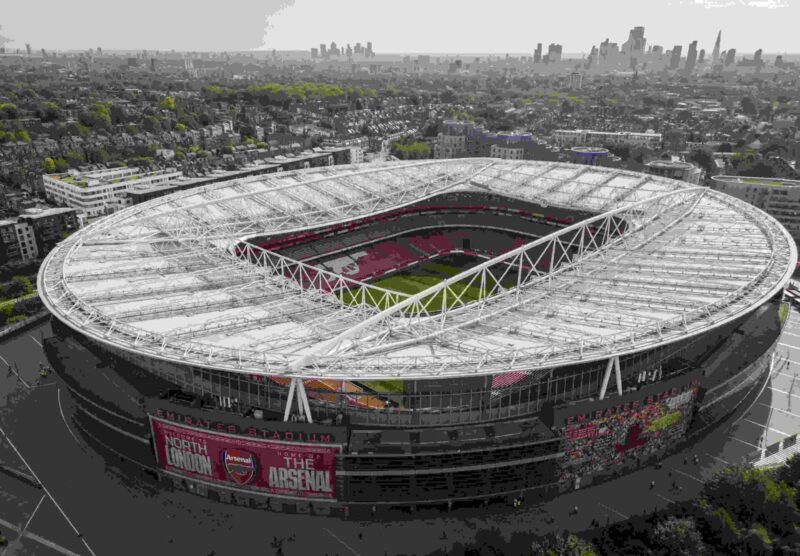
Arsenal FC has always been a club associated with distinctive football ideas. From the disciplined sides of earlier decades to the attacking teams that dominated English football under Arsène Wenger, the Gunners have repeatedly demonstrated that long-term success depends on more than assembling talented players.
It requires a recognizable identity, intelligent recruitment, effective coaching, and the ability to adapt when the game changes. The modern Arsenal project reflects this challenge particularly clearly.
Under Mikel Arteta, the club has focused on developing a team capable of controlling matches through structured possession, coordinated pressing, and flexible movement between positions. The objective is not simply to win individual games but to build a system that remains competitive across an exhausting season in the Premier League and European competitions.
This approach has also attracted attention from football analysts and supporters who follow team performances, tactical developments, and match expectations through platforms such asparimatch, where upcoming fixtures provide another perspective on the competitive landscape of modern football. Understanding Arsenal's development means looking beyond results.
The club's tactical structure, recruitment philosophy, academy pathway, and approach to squad management reveal how a historic institution is attempting to meet the demands of modern elite football. Ultimately, Arsenal's progress depends on maintaining consistency, adapting to different opponents, and turning long-term planning into tangible success on the pitch.
How Arsenal's Tactical Identity Has Evolved Arsenal's reputation for attractive attacking football was strengthened significantly during Wenger's tenure. His teams combined technical quality, quick passing, intelligent movement, and an emphasis on developing players who could interpret situations rather than follow rigid instructions.
The famous unbeaten Premier League campaign of 2003-04 became the defining example of that philosophy. Modern football, however, demands additional layers of tactical preparation.
Opponents are better organized, pressing systems are more sophisticated, and spaces in the final third are increasingly difficult to exploit. Arteta's Arsenal has responded by developing a more structured approach to possession and defensive organization.
One important feature is positional play. Players occupy specific zones to create passing options, stretch defensive formations, and establish numerical advantages around the ball.