Champions League Format Explained: League Phase and Knockouts
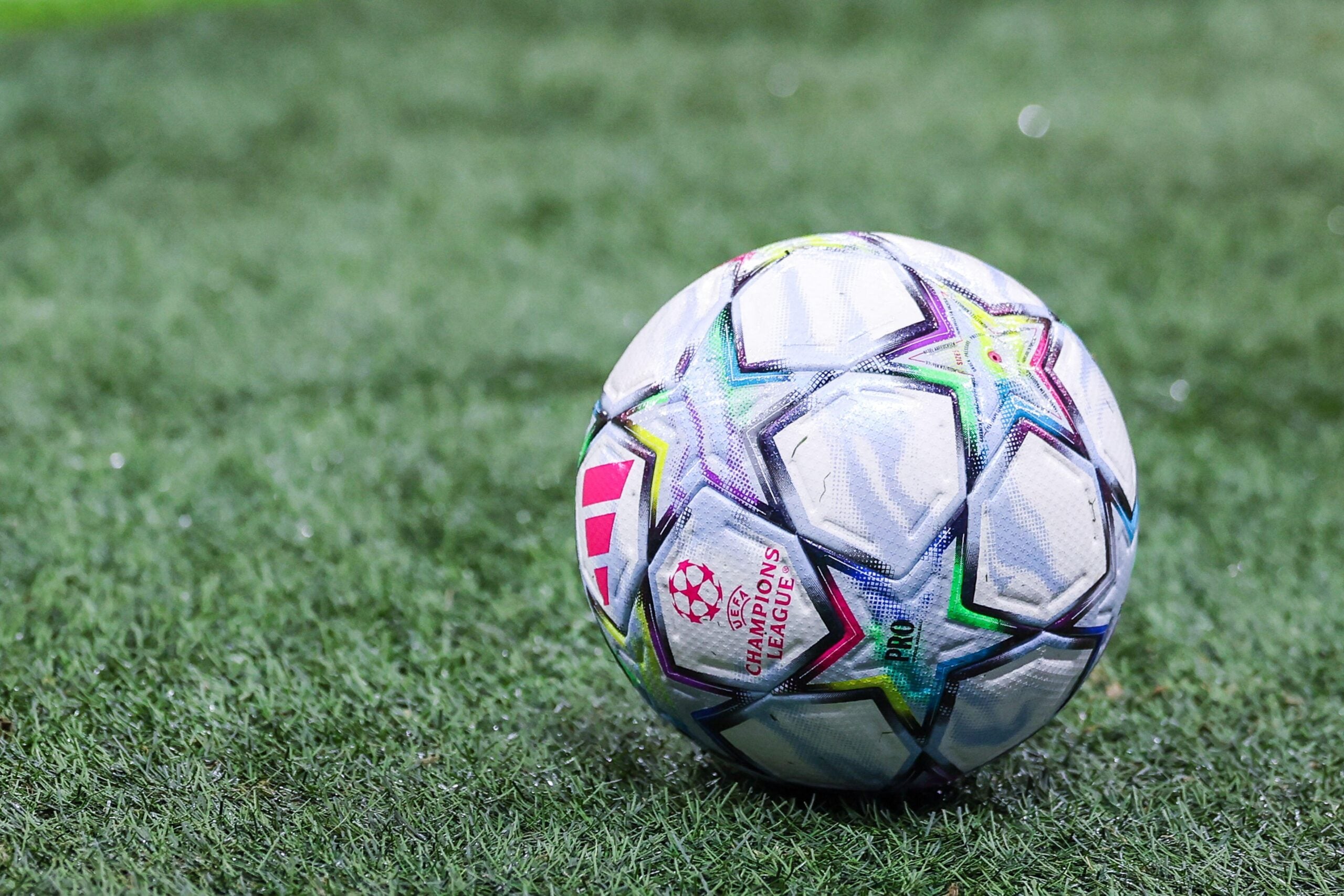
The Champions League format explained here is the one UEFA introduced in 2024/25 and has now settled into place. It replaced the old 32-team group stage with a 36-team league phase, created to give every club eight different opponents instead of the same three rivals home and away.
The route to the final still ends in knockout football, but the table, draw and seeding now work in a very different way. How does the Champions League format work?
36 clubs share one table; each plays eight different opponents, four at home and four away. Teams earn three points for a win and one for a draw.
The first eight reach the last 16 directly, places 9-24 enter knockout play-offs, and places 25-36 are eliminated. The Champions League league phase runs as a single standings table, so every club is measured against the same overall ranking rather than split into groups.
That is the key change in how the Champions League works now: the table is shared, but the fixtures are not round-robin, so clubs do not all play each other. That setup matters for every game.
A win is worth three points and a draw one, with no bonus for strength of opponent and no return fixture against the same side later in the league phase. The league phase therefore rewards both consistency and a clean eight-match schedule, because there is no margin for a bad group draw to be repaired over six matches.
How does the Champions League league phase draw work? The Champions League draw explained simply goes like this: the 36 clubs are split into four pots of nine based on UEFA club coefficients, with the holder top-seeded in pot one.
Each club is drawn against two opponents from every pot, including its own, with one home match and one away match against each pot. In principle, same-association opponents are avoided and no club can face more than two opponents from another association, although UEFA can adjust draw constraints.
With this approach, the competition aims to generate more closely-contested games and ones that really get thefootball predictions and tipsheated up. The league phase draw does not create a conventional group.