
From Devil to Deity: How Lionel Messi Rewrote His Argentina Story
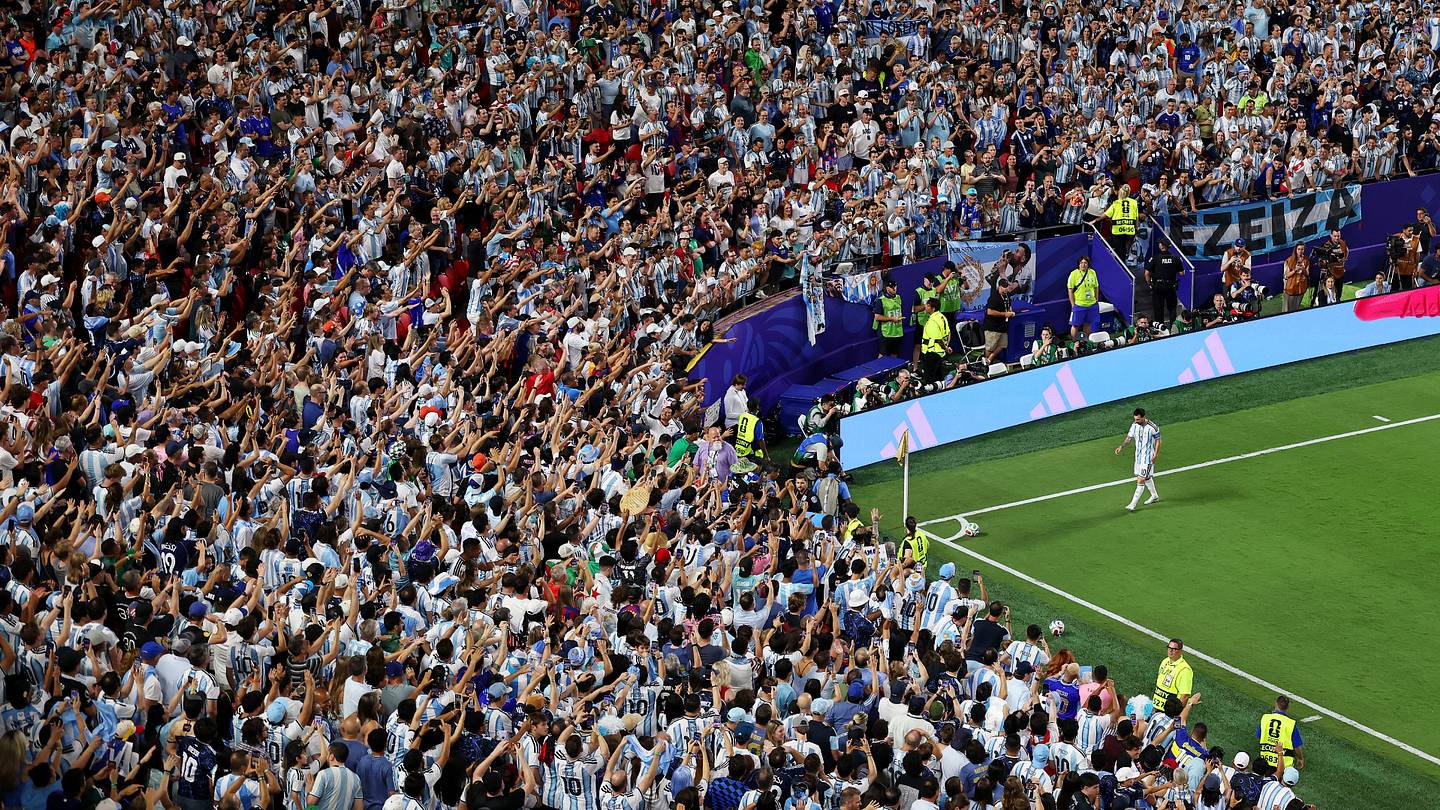
It's both depressing and oddly fitting that New Jersey's MetLife Stadium, that giant air conditioner plonked in the middle of a sprawling parking lot, should end the international career of the greatest player in the history of the sport-not once, but twice. Lionel Messi's final competitive appearance for Argentina, the last he would ever play before his father passed away, was adefeat to Spain in this summer's World Cup final.
A decade earlier, that same potato field in East Rutherford was the scene of Messi's first international retirement. "For me, the national team is over," Argentina's beleaguered No.
10 meekly revealed in the bowels of the MetLife, hunched over and clutching a wash bag after missing a penalty in a shootout defeat which handed Chile the 2016 Copa América. "I wanted this title more than any other but it wasn't meant to be.
Two finals, two defeats and two international retirements in the same soulless pit of concrete. However, the universal love-in which has greeted Messi's decision to definitively step away from the blue and white stripes this time around is remarkably different to the vast array of emotions he inspired at his first retirement.
Why Argentina Hated Messi Lionel Messi had a tough time with the Argentine media. It is our ability to turn our athletes into heroes or villains.
While it can be hard to imagine given his current godly status, Messi has actually spent more time as Argentina's villain than its hero. By his own description, the nation's all-time leading appearance maker and top scorer was blamed, cursed at, lied about with no apparent remorse" for more than a decade while on international duty.
There were reasons for this hate, just no justifiable ones. Not Diego Maradona Diego Maradona (left) and Lionel Messi were very different characters.
Almost half a century later, Diego Maradona would debut for Argentina, turning that description into flesh and giving rise to an obsession which would last for almost another 50 years. The 1986 World Cup winner was not far from the status of a deity, with some of his disciples even setting up a Church of Maradona.
This suffocating level of acclaim was the consequence of Maradona's play and his personality. He was thepibewho rose from poverty to the pinnacle of soccer (and thereby life), quite literally freeing himself from a pile of human excrement in the slums of his childhood.