
Journalist calls for Man City owners to be removed after Premier League guilty verdict
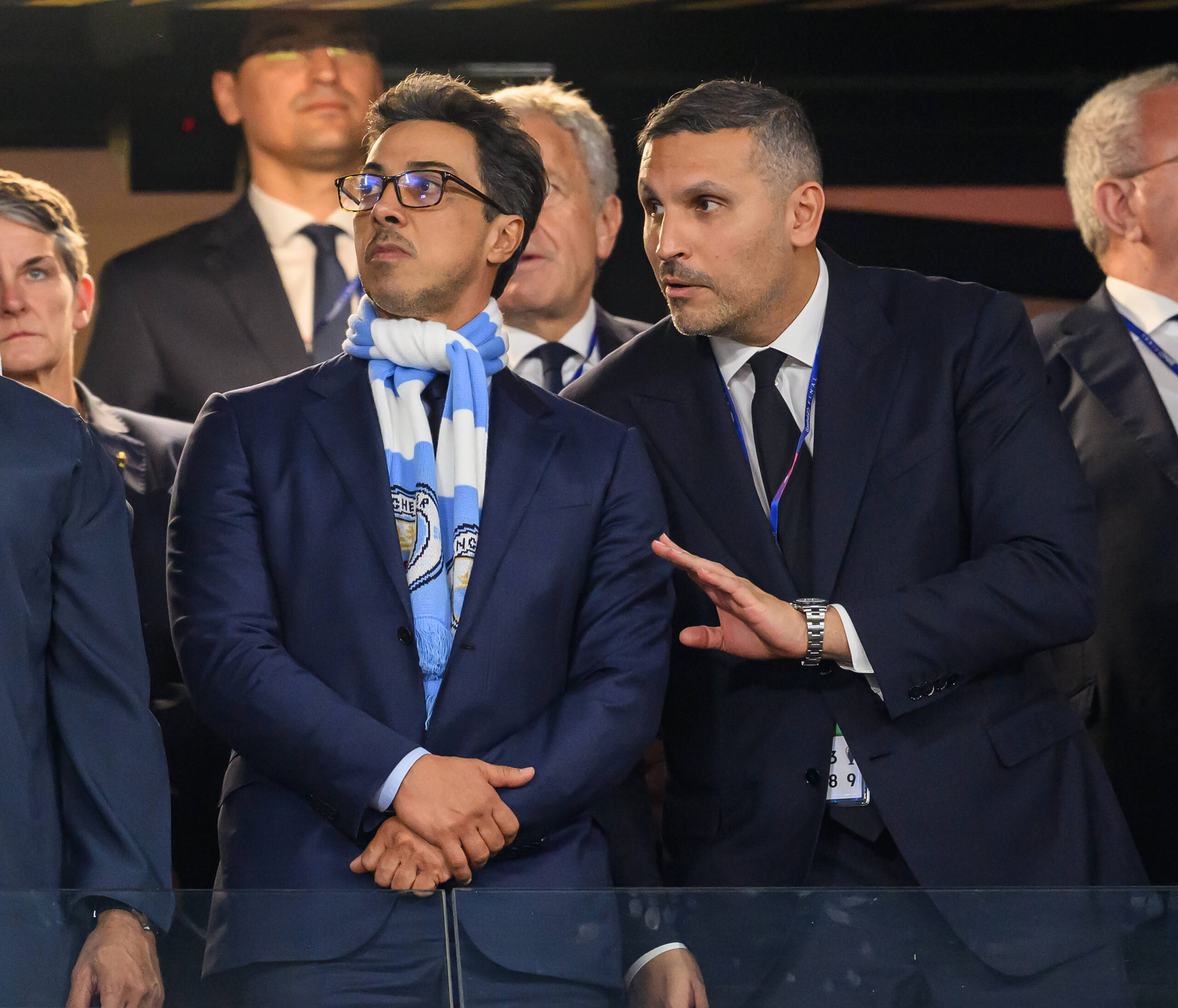
David Lynch Explains Why Manchester City's Owners Should Face the Biggest Consequence David Lynch believes the most important outcome of the Manchester City case should be the removal of the club's owners, arguing that protecting the integrity of English football must take priority over traditional sporting punishments. Speaking on Media Matters for Anfield Index with Dave Davis, Lynch discussed the potential consequences of the Premier League case and the wider concerns surrounding Manchester City's influence.
His position was clear: even if the club faces severe sporting sanctions, the long-term health of English football should remain the priority. David Lynch Would Prioritise Removing Manchester City's Owners Lynch made a striking admission when discussing what punishment Manchester City should receive.
He said he would be willing to forgo other penalties if it meant the club's owners were removed. "I would genuinely forego all other punishment of Manchester City," Lynch said, explaining that his main concern was "the well-being of the English game".
He acknowledged that City should face punishment in some form, while arguing that ownership changes would provide the most important safeguard against similar situations in the future. For Lynch, the central issue is the influence a club's ownership can potentially exert beyond the football pitch.
He warned that allowing wealthy owners to use the prospect of withdrawing investment as leverage could create serious problems for the game's governance. His preferred outcome would therefore involve Manchester City's current owners leaving English football, with the Independent Football Regulator potentially playing a role if it had the necessary powers to act.
Sporting Punishments Are Not Lynch's Main Priority Points deductions, relegation and the removal of titles are among the sporting consequences often discussed in relation to major financial cases. Lynch indicated that he would accept a different outcome if it secured a change of ownership.
"If you told me that Manchester City's owners had to leave and had to sell up, I would honestly take that now," he said. That position reflects his concern about the precedent the case could establish.
Lynch believes the consequences should address the wider implications for football governance, particularly if clubs can use their financial influence to put pressure on decision-makers. He also discussed the possibility of Manchester City challenging the commission's findings.
His argument acknowledged that the club could maintain it had been treated unfairly, while questioning whether threats of withdrawing investment would be acceptable regardless of the eventual outcome. For Lynch, the principle matters even if the club's appeal changes the original findings.
Written by
Sebastian Hox