
Michael Carrick: Man United's worst starts to a Premier League season and where the ex-England international ranks
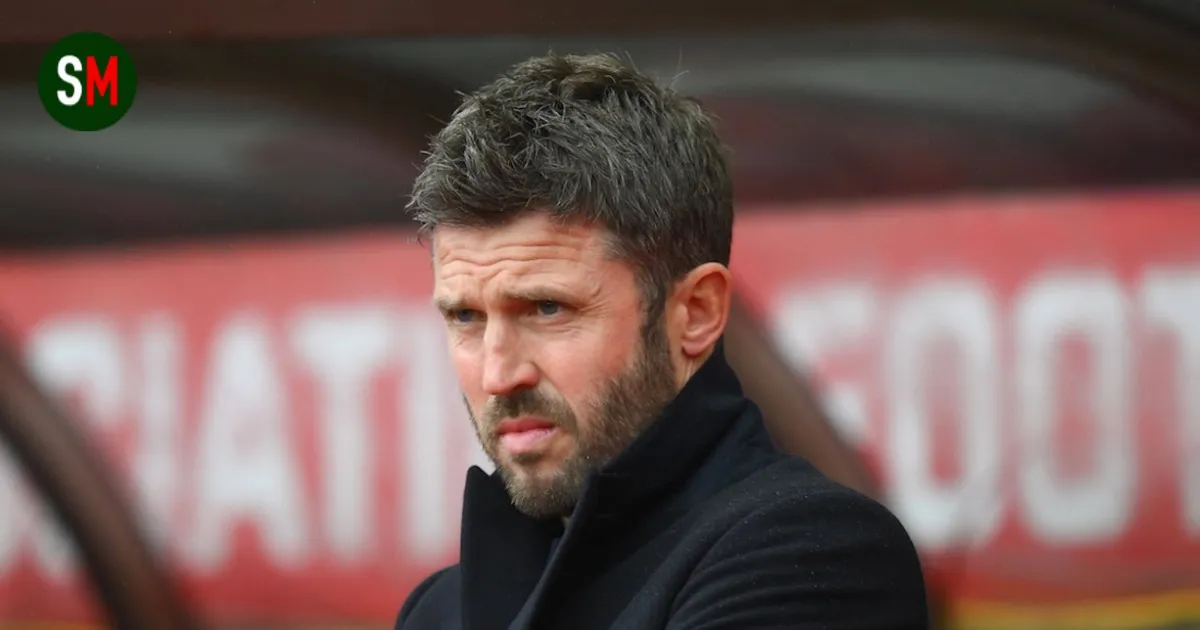
Manchester United have sacked Michael Carrick following their worst start to a Premier League season, with the former midfielder paying the price for a disastrous opening to the 2026-27 campaign. The Red Devils were expected to build on last season's encouraging third-place finish after Carrick guided them back into the Champions League, but their performances have deteriorated dramatically since the summer.
Sunday's 4-4 draw against Aston Villa proved the final straw for the club's hierarchy, with United having collected just eight points from their opening 10 league matches to leave them 18th in the table. Their solitary victory during that period represents a particularly concerning statistic for a club of their stature, especially considering that they had finished the previous campaign among the Premier League's top three.
Carrick's dismissal has therefore brought renewed attention to the club's historical struggles, with the 2026-27 campaign now ranking as their worst opening to a Premier League season after nine matches. While United have endured difficult starts in previous campaigns, their current situation is particularly alarming given the resources available to the club and their expectations of competing for Champions League qualification.
Here, Sports Mole looks at Manchester United's five worst starts to a Premier League season, examining the results, circumstances and eventual outcomes of those campaigns. Their only victory during that period came against Ipswich Town, while draws against Everton, Fulham, Tottenham and Leeds exposed their inability to turn promising situations into maximum points.
Defeats against Hull City, Manchester City, Bournemouth and Chelsea further increased the pressure on Carrick, whose team struggled to establish any consistency in their performances. The 1-1 draw against 10-man Tottenham was particularly frustrating, while their inability to secure three points against Aston Villa despite scoring four goals demonstrated the defensive problems that had undermined their campaign.
United eventually reached 10 matches with eight points, leaving them 18th in the table and prompting the hierarchy to dismiss Carrick on November 12. United collected only 10 points from their first nine Premier League matches, winning two, drawing four and losing three, with their problems in front of goal becoming increasingly apparent.
Their campaign included disappointing draws against Wolverhampton Wanderers, Southampton and West Ham United, while a 2-0 defeat against West Ham at the London Stadium left Solskjaer facing growing criticism. A 1-1 draw against Liverpool at Old Trafford on October 20 offered some encouragement, although United subsequently lost against Bournemouth before returning to winning ways against Norwich City.
Solskjaer ultimately survived the difficult opening and guided United to a third-place finish, collecting 66 points from 38 matches and securing Champions League qualification. The Red Devils won three, drew two and lost four of those matches, with their performances raising serious questions about Ten Hag's ability to deliver consistent improvement.
A 3-0 home defeat against Liverpool in September was particularly damaging, while subsequent losses against Tottenham and West Ham United increased the pressure on the Dutchman. United also struggled to score consistently, with their attacking approach lacking the organisation and effectiveness required to compete with the leading sides.