
Premier League EFL Split: Why the Controversial 1992 Breakaway Still Divides English Football
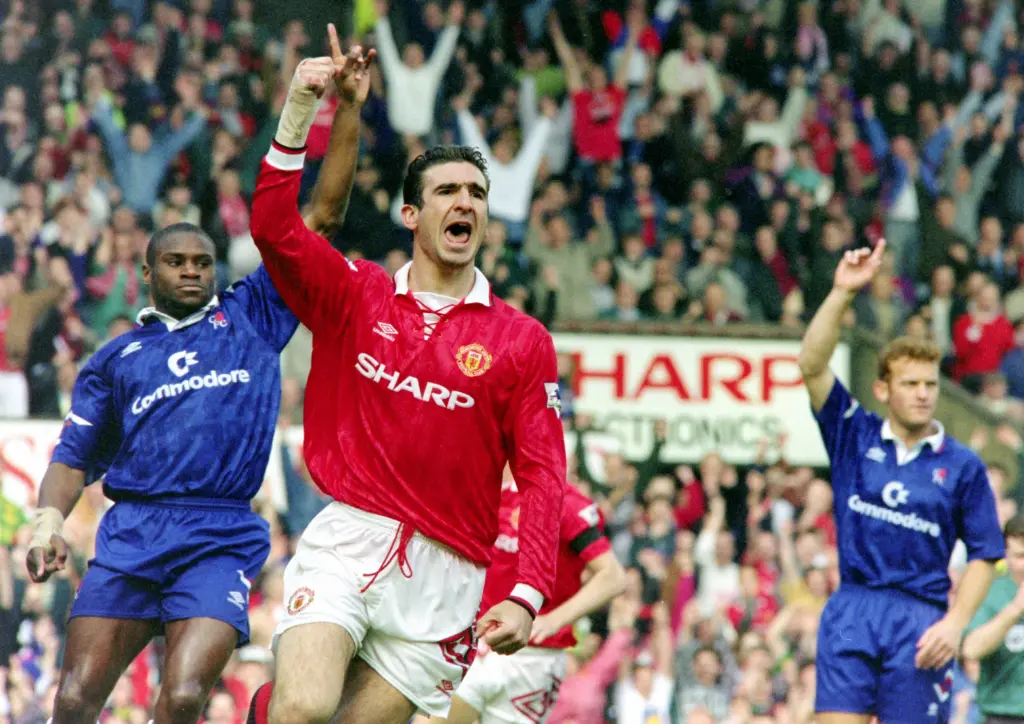
After more than a century under the English Football League system, established in 1888, the Premier League EFL split was completed in 1992, ushering in a new era for the sport. What began as a move by the first division teams to gain greater commercial control has since evolved into a long-running divide between the top flight and the lower leagues.
The Football League - the historic name for close to 130 years until it became the EFL in 2016 - did not have the power to force its biggest clubs to stay, because it was a members' association whose rules allowed clubs to resign. It tried to persuade the first division to remain by offering them a larger share of the income, which delayed the separation but ultimately could not prevent it, especially with the FA backing the breakaway.
More than three decades later, the resentment has never entirely disappeared, with EFL funding remaining at the heart of a dispute that continues to raise questions about the future of English football. Premier League EFL Split: How England's Biggest Clubs Changed Football Forever English football operated with four divisions under the Football League, made up of 92 clubs, with the first division sitting at the top of the structure.
This meant that the country's biggest clubs belonged to the same organisation as teams competing in the lower divisions. The first division was where the country's biggest clubs battled for the top prize, but they remained connected to the wider football league.
Throughout this period, the football league distributed television and sponsorship income, rather than top-division clubs controlling those revenues independently. Although they received the largest share, clubs in the lower divisions also benefited from the money generated.
The system was far from perfect, but it reflected a simple principle: the success of English football's top division could benefit the wider league structure. However, the biggest clubs - Manchester United, Liverpool, Arsenal, Tottenham and Everton - wanted greater control over their finances, particularly the lucrative television and commercial revenues generated by their matches.
This desire for greater autonomy eventually became the driving force behind the Premier League EFL split. The Great Divide: How England's Top Clubs Took Control The argument behind the Premier League EFL separation was straightforward.
The biggest clubs attracted the largest crowds, commanded the biggest television audiences and generated much of the interest that broadcasters wanted to buy. Consequently, they questioned why their television revenue should continue to be distributed through the wider football league.
This growing dissatisfaction became a catalyst for the split, with the big five pushing for greater commercial freedom and the other 17 first division clubs eventually following suit. They were of the opinion that the top division needed to operate more like a modern commercial business, allowing its clubs to have greater control over broadcasting rights and keep a much larger share of the revenue they generated.