
The greatest dynasties in Italian football
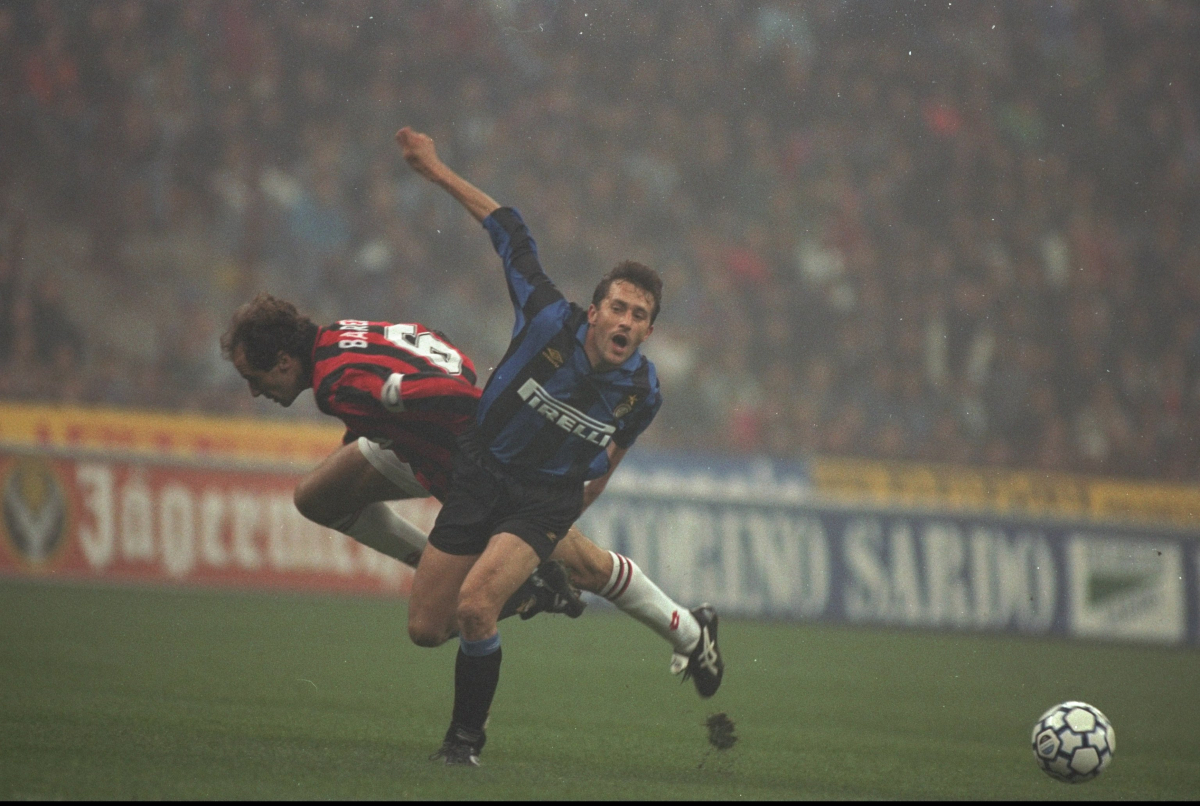
29 Oct 1995: Franco Baresi of AC Milan and Maurizio Ganz of Inter Milan clash during a Serie A match at the San Siro Stadium in Milan, Italy. The match ended in a 1-1 draw.
That point undoubtedly applies to Italian football, with numerous clubs establishing dynasties that were difficult to topple. Genoa and Pro Vercelli were powerhouses in the pre-Serie A years, but the landscape changed when Italy launched a unified national competition.
While the pitch has traditionally been the stage for these sporting legacies, the principles behind building a dominance-driven era are universally shared across modern competitive disciplines. Looking attop Counter-Strike teams today, it becomes clear that sustained success is rarely built around individual talent alone.
Modern esports dynasties rely on team chemistry, tactical discipline and strategic recruitment to maintain their grip at the high level, constantly adapting as the competitive landscape evolves. Much like legendary football sides, the most formidable esports organisations depend on a shared tactical vision and a backroom infrastructure capable of adapting when the broader competitive environment shifts.
Even as roster rotations, mounting pressure and rising challengers threaten to disrupt their momentum, the teams that preserve their core philosophy while integrating fresh talent are the ones that endure. The same foundational elements allowed Italian giants such as Juventus, Inter Milan and AC Milan to forge their own historic eras, demonstrating that the mechanics of building a lasting dynasty transcend the boundary of the football pitch.
Read on as we look at some of the greatest dynasties in Italian football, starting with the club who set the early standards in Serie A. Juventus (1930-35) Juventus claimed five consecutive titles from 1930-35, laying down a tactical blueprint that was also utilised by the Italian national team.
Manager Carlo Carcano masterminded the tactics, physical discipline and structured style of play that subsequently became commonly associated with Italian teams. The club was backed by the Agnelli family, who used the wealth they generated from their ownership of the automobile company Fiat to blow their rivals out of the water.
The core of the Juventus squad also formed the backbone of the Italian team which won the 1934 FIFA World Cup on home soil. Torino (1942-49) Torino won the Serie A title five times in the 1940s, but a tragic air crash towards the end of the decade stopped them in their tracks.
Their expansive style of play bore plenty of similarities to the 'Total Football' system made famous by the Netherlands during the 1970s. However, the Superga air disaster in May 1949 killed the entire squad and shattered Torino's hopes of maintaining their dominance in Italy.